
Annual Roof Maintenance Checklist for Malaysian Homeowners
Introduction
You know that sinking feeling when you hear a sudden crack of thunder in the late afternoon. It’s a sound we all know too well in the Klang Valley, signaling that another massive downpour is about to test every inch of your home’s defenses. From our experience fixing thousands of roofs in Petaling Jaya and KL, the difference between a dry ceiling and a costly disaster often comes down to what you did before the rain started.
We have seen too many homeowners wait until water is dripping onto their sofa to think about roof care. By that point, a simple RM200 seal fix has often spiraled into a structural nightmare costing ten times as much. That is why we advocate for a proactive approach that fits our unique Malaysian weather patterns.
Our team is going to walk you through a practical, seasonal plan to keep your roof secure, rain or shine.
Seasonal Maintenance Calendar
Pre-Inter-Monsoon (August-September)
Most people think of the year-end as the only “monsoon,” but the inter-monsoon period in October and November actually brings the heaviest rainfall intensity to the west coast. You need to prepare your roof specifically for these violent evening storms.
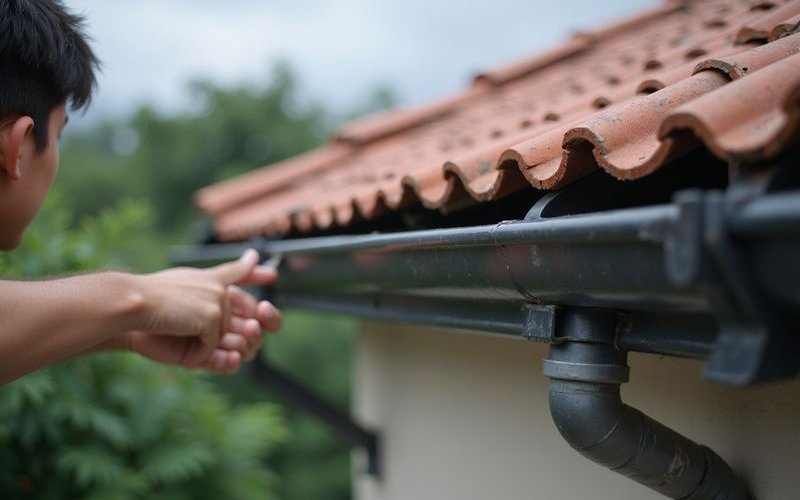
Gutter and Drainage Check:
- Clear the blockade: Remove all leaves, twigs, and hardened sediment from gutters.
- Test the flow: Run a garden hose down the spout to ensure there are no hidden clogs in the downpipes.
- Check the pitch: Verify that your gutters are still angled correctly to guide water toward the downspouts, not pooling in the middle.
- Inspect joints: Look for separation at the seams where leaks often start.
- Divert water: Ensure water drains at least 1 meter away from your home’s foundation to prevent soil erosion.
Roof Surface Inspection:
- Tile integrity: Scan for cracked, broken, or “slipped” clay tiles, especially if you have older Monier-style roofing.
- Metal health: Inspect metal deck roofing for rust spots, particularly around screw holes where washers may have degraded.
- Moss management: Look for green patches of algae or moss, which hold moisture against the tiles and accelerate rot.
- Debris accumulation: Clear any piled-up leaves in the roof valleys, as these act like dams during heavy rain.
Flashing and Seals:
- Vent check: Inspect the metal flashing around roof vents and chimneys for rust or lifting.
- Boot inspection: Check the rubber “boots” around plumbing pipes; UV rays in Malaysia can turn them brittle and crack them within 5-7 years.
- Sealant status: Look for dried, cracking sealant at wall junctions where the roof meets the neighbor’s wall.
- Gap verification: Ensure no new gaps have opened up due to thermal expansion and contraction.
Post-Monsoon Assessment (February-March)
After the long rainy season from November to January, your roof has taken a beating. We recommend using this drier window to assess wear and tear before the second rainy season hits in April.
Damage Assessment:
- Ground patrol: Walk around your house looking up at the eaves and fascia boards.
- Spot the difference: Note any shifted tiles or new rust streaks that weren’t there in September.
- Interior scan: Check ceilings and the tops of walls in every room for faint yellow or brown water stains.
- Attic audit: Inspect the attic insulation for dampness or compression, which indicates a slow leak.
- Document everything: Take photos of any concerns immediately to track if they get worse.
Post-Rain Cleanup:
- Storm debris: Clear branches or leaves that blew onto the roof during recent storms.
- Overhang trim: Cut back any tree branches that have grown within 2 meters of your roof to stop rats from jumping over.
- Gutter flush: Clean gutters again with our gutter services, as the end-of-year winds often fill them with fine silt.
- Drainage test: Pour water through the system one more time to ensure the storms didn’t dislodge any connections.
Structural Check:
- Line of sight: Look for any sagging in the roofline, which could indicate timber rot or termite damage.
- Fascia integrity: Poke the fascia boards (the wooden boards behind the gutter) to check for soft, rotted wood.
- Soffit vents: Inspect soffits for holes that birds or squirrels might use to nest.
Mid-Year Maintenance (June-July)
This is typically the driest period for the Klang Valley, making it the ideal time for major repairs or treatments.
Repairs and Improvements:
- Fix it now: Schedule professional repairs for any issues found during your inspections.
- Apply protection: Consider applying a heat-reflective coating or waterproof sealant while the weather permits proper curing.
- Vegetation management: aggressive trimming of large trees near the house should happen now.
- Clean sweep: Remove any creeping vines that are trying to attach to your roof tiles.
Professional Inspection:
- Expert eye: Consider a professional inspection every 2-3 years, as we can spot micro-fractures invisible to the untrained eye.
- Verify fixes: Have a pro verify that your DIY patches are holding up.
- Budget planning: Get quotes now for recommended work so you can budget for it before the next rainy season.
What to Look For
From Ground Level
You can identify many critical issues without ever leaving the safety of your garden.
Visible damage:
- Displaced tiles: Look for tiles that are crooked or have slid down, a common issue with older clay tile roofs.
- Ridge cap issues: Check if the mortar bedding under the ridge caps (the peak of the roof) is cracked or missing chunks.
- Metal corrosion: Rust stains running down the wall usually mean a metal roof sheet or gutter is failing above.
- Uneven lines: A sagging roofline is a serious warning sign of structural failure or termite infestation.
Drainage issues:
- Waterfall effect: Water spilling over the sides of gutters during rain means a clog or improper pitch.
- Wall streaks: Dark streaks on exterior walls often indicate a gutter leak splashing dirty water.
- Foundation pooling: Water gathering near the base of your house can undermine the footing.
- Garden in the sky: If you see plants growing in your gutters, you have a solid blockage of soil and seeds.
From Inside (Attic)
Your attic tells the true story of your roof’s health.
Signs of water:
- Staining: Dark spots on the wood rafters or plywood decking.
- Musty odors: A persistent mold or mildew smell suggests trapped moisture or poor ventilation.
- Insulation damage: Wet, matted, or missing insulation is a clear sign of water entry or pest activity.
- Light leaks: If you can see pinholes of daylight through the roof, water can definitely get in.
Structural concerns:
- Bowing rafters: Rafters that look bent or sagging under the weight of the roof.
- Termite trails: Mud tubes on the wood structures are an immediate emergency.
- Condensation: Water droplets on surfaces imply that your roof ventilation is blocked or insufficient.

Safety First
Never:
- Walk on a wet roof: Algae makes wet tiles as slippery as ice.
- Climb without support: Access steep roofs without a proper harness or scaffolding.
- Lean on gutters: Never rest a ladder against the gutter itself; it can collapse or bend.
- Work solo: Always have someone on the ground to spot you or call for help.
- Dismiss danger: Ignore sagging or creaking structures.
When in doubt: Call a professional. The cost of an inspection is far less than the medical bills from a fall.
DIY Maintenance Tasks
These tasks are generally safe for most physically fit homeowners to handle.
Gutter Cleaning
Frequency: Twice yearly minimum, or quarterly if you have trees like Angsana or Mango trees nearby.
Process:
- Set up safely: Use a stable A-frame ladder on flat ground, never a leaning ladder if possible.
- Protect hands: Wear thick work gloves to protect against rusty screws and sharp debris.
- Scoop it out: Use a small garden trowel or plastic scoop to remove muck into a bucket, not onto the ground.
- Flush the line: Use a hose to flush the gutter and verify water exits the downpipe freely.
- Final check: Watch the flow to ensure water isn’t pooling in low spots.
Debris Removal
Frequency: After every major storm and seasonally.
Tools needed: Extended-reach roof rake or blower (used from a ladder).
- Leaf removal: Gently pull accumulated leaves off the roof valleys.
- Branch clearing: Remove fallen branches immediately as they can crack tiles under their weight.
- Valley check: Ensure the metal valleys (the V-shape where roof planes meet) are completely clear.
Visual Inspections
Frequency: Monthly quick look, detailed check twice yearly.
Routine:
- Storm check: Walk the perimeter after any storm with high winds.
- Gutter watch: During the next heavy rain, grab an umbrella and watch your gutters work to spot overflows.
- Interior scan: Glance at your ceilings in the master bedroom and living room for new spots.
When to Call a Professional
Some situations require the tools and safety gear that only we possess.
Repairs:
- Tile replacement: Walking on clay tiles without cracking more of them requires a specific technique.
- Flashing fixes: repairing the metal seals around chimneys and walls requires expert shaping and sealing.
- Leak hunting: If you have a stain but can’t find the source, water is likely traveling along a beam; we use moisture meters to track it.
- Structural rot: Any wood damage needs a carpenter or roofer’s assessment immediately.
Inspections:
- Post-storm: After a particularly violent storm with hail or falling trees.
- Property transaction: Before buying a new home or selling your current one.
- Renovation prep: When planning to install solar panels or renovate the interior.
- Scheduled upkeep: Every 2-3 years for a “health check.”
Maintenance beyond DIY:
- Chemical treatment: Moss and algae removal requires chemicals that can damage your garden if not managed correctly.
- Waterproofing: Applying liquid waterproofing membranes is a precise process requiring clean, dry surfaces.
- Replacement: Full gutter replacement or re-roofing is a major construction job.
- High access: Any roof higher than a single story should be left to pros with scaffolding.
Record Keeping
Keep a simple folder or digital note with the following:
- Log: Dates of inspections and what you found.
- Visuals: Photos of the roof condition every 6 months (great for insurance proof).
- Receipts: Invoices for any repairs or cleaning services.
- Warranties: Documents for your roof tiles, gutters, or solar panels.
- Contacts: Phone numbers for your preferred roofer and insurance agent.
This history is vital for:
- Insurance: Proving that a leak was sudden damage, not long-term negligence.
- Resale value: Showing buyers that the home has been meticulously cared for.
- Future diagnostics: Helping us see how fast a problem has progressed.
- Budgeting: Predicting when the roof might need a full replacement.
Maintenance Cost Comparison (2025/2026 Estimates)
| Maintenance Activity | Typical Cost (KL/PJ) | Vs. Potential Repair Cost |
|---|---|---|
| Gutter cleaning | RM150 - RM350 | Water damage repair: RM2,500+ |
| Professional inspection | RM200 - RM400 | Hidden structural rot: RM5,000+ |
| Minor tile/leak fix | RM300 - RM600 | Full roof restoration: RM15,000+ |
| Sealant touch-up | RM200 - RM450 | Ceiling plaster replacement: RM1,200+ |
Creating Your Schedule
Monthly (5 minutes): Do a quick “ground check” after any severe weather event.
Quarterly (15 minutes): Walk the full perimeter and check internal ceilings for new spots.
Twice yearly (1-2 hours): Perform the detailed cleaning and inspection (Pre-Inter-Monsoon and Post-Monsoon).
Every 2-3 years: Hire a professional for a detailed audit and preventative maintenance.
Conclusion
Regular maintenance is the only thing standing between your wallet and a RM20,000 roof replacement. We believe that spending a few hours a year on prevention is the smartest investment a Malaysian homeowner can make.
At Roofing Man, we offer free initial assessments for homeowners in the Klang Valley. If you want a team that knows local roofs inside and out to give you a clear picture of your home’s health, call us at 016-699 9077.
Don’t wait for the water to drip on your head; start your maintenance schedule today.