The sound of heavy rain pounding on your roof during a thunderstorm is a familiar comfort for many of us here in the Klang Valley. But for some homeowners, that sound triggers a different feeling—anxiety about where the water is actually going. From our experience fixing thousands of roofs across Petaling Jaya and Kuala Lumpur, we know that water has a habit of finding the path of least resistance.
It often travels along beams and rafters long before it ever drips onto your living room floor.
Here are seven warning signs that indicate you might have a roof leak, along with the practical steps you should take to protect your home.
1. Water Stains on Ceilings or Walls
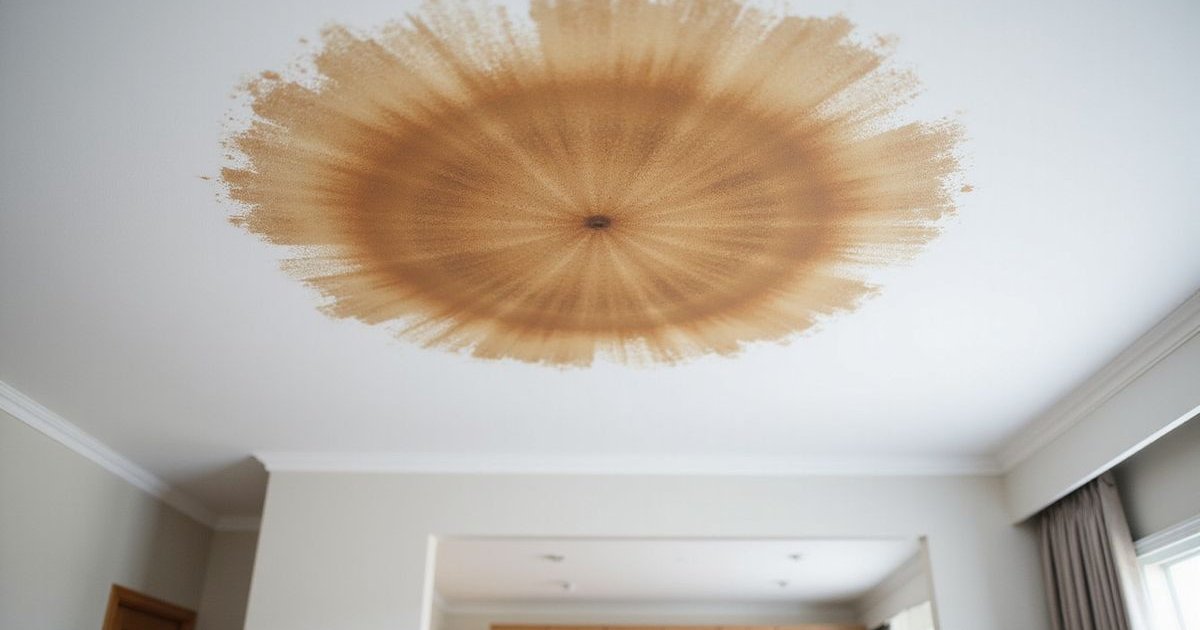
The most obvious sign of a roof leak is the appearance of brownish or yellowish stains on your plaster ceiling or walls. These stains often have irregular edges and may appear to spread over time as more water seeps through.
What to look for:
- Brown or yellow discoloration on your white plaster ceiling.
- Ring-shaped marks that indicate repeated wetting and drying cycles.
- Stains that grow larger after a heavy downpour.
- White powdery deposits (Efflorescence): If you have a concrete ceiling (common in downstairs areas or apartments), look for white, chalky substances. This is salt migrating out of the concrete due to water passing through it.
What to do: Don’t ignore these stains, even if they dry up between storms. From what we’ve seen, a small stain usually represents a much larger pool of water trapped above the ceiling sheet. Contact a professional for roof leak repair to trace the source before the entire ceiling panel collapses.
2. Musty Odors in Certain Rooms
If you notice a persistent musty or earthy smell in specific rooms, especially upstairs bedrooms or rooms directly under the roof, it is a strong indicator of trapped moisture.
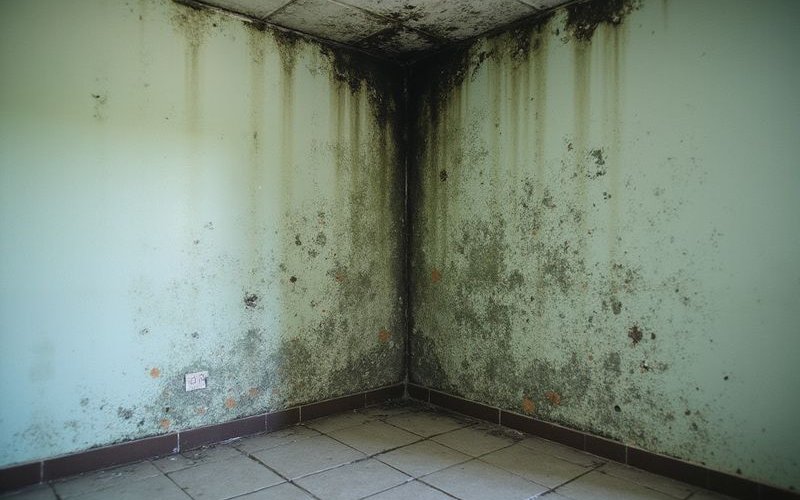
Mold and mildew thrive in Malaysia’s humid climate, and a slow roof leak provides the continuous moisture they need to explode in growth. Fun fact: In our local climate, mold can begin to grow on damp building materials in as little as 24 to 48 hours.
What to do: Trust your nose. If a room smells like an old wet towel but looks clean, you likely have hidden mold on the insulation or top side of the ceiling. A professional inspection can help identify whether a roof leak is the cause before it affects your family’s health.
3. Peeling or Bubbling Paint
When water saturates your walls from above, it breaks the bond between the paint and the surface. This causes the paint to peel, bubble, or blister.
Signs to watch for:
- Paint bubbling on walls, especially near the cornice or ceiling line.
- Wallpaper lifting at the seams.
- Paint flaking off in sheets.
- Concrete Cancer: On exterior walls, look for rust spots bleeding through the paint, which can indicate the steel reinforcement inside the concrete is rusting due to water ingress.
Insider Tip: We often see this in “car porch” extensions where the flat concrete roof waterproofing has failed. The water seeps into the wall shared with the living room, causing paint to bubble on the interior side.
4. Missing, Cracked, or Damaged Shingles/Tiles
Sometimes the signs are visible without even entering the house. Broken roofing materials are an open invitation for water to enter your home during our intense monsoon storms.
Check your roof for:
- Missing clay or concrete tiles (common in landed properties).
- Cracked or broken tiles caused by falling branches or previous contractors walking on them.
- Tiles that have shifted out of position.
- Rusted Metal Decking: For extensions using zinc or metal decks, look for brown rust patches or loose screws where the rubber washer has disintegrated.
If you can see visible damage from the ground, there’s a good chance water is already getting in.
5. Sagging Roof Sections
A sagging roofline is a serious warning sign that demands immediate action. It typically indicates that the structural support system has been compromised by long-term water exposure.
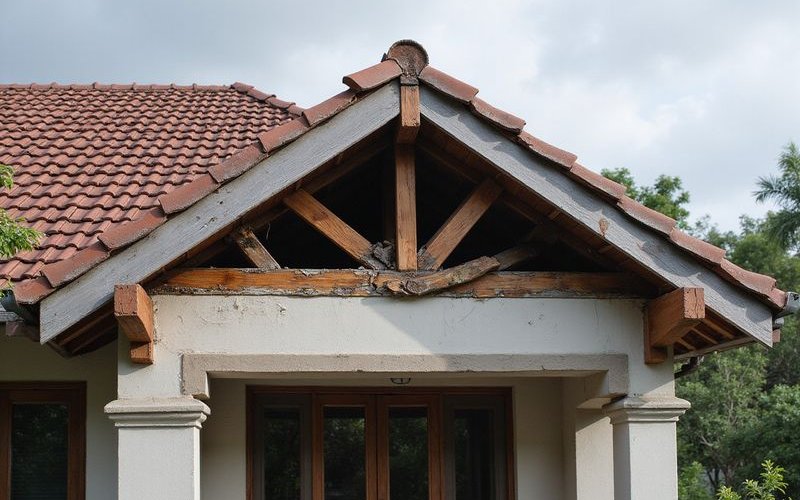
The Hidden Danger: Termites In Malaysia, a sagging roof often means one thing: Subterranean Termites. These pests are attracted to the moisture from a leak and will eat through the wet timber trusses rapidly. We have seen entire roof structures compromised because a small leak attracted a termite colony that hollowed out the support beams.
What to do: A sagging roof requires immediate professional attention. Do not attempt to access the roof yourself, as the structure may be unstable and could collapse under your weight.
6. Deteriorating Roofing Materials (Granules or Rust)
If you have asphalt shingles, finding excessive granules in your gutters indicates your shingles are deteriorating. While some granule loss is normal on new roofs, significant amounts suggest your roofing material is reaching the end of its life.
Why it matters: Granules protect shingles from our harsh tropical UV rays. Once they are gone, the shingle dries out and cracks, creating leak points.
For Metal Roof Owners: If you have a metal roof, look for rust flakes in your gutters instead of granules. Rust eats through the metal sheets, creating pinhole leaks that are notoriously difficult to spot until it rains heavily.
7. Higher Energy Bills
An unexplained increase in your Tenaga Nasional Berhad (TNB) bill could be a subtle sign of a roof leak. Water-damaged insulation loses its ability to trap cool air, forcing your air conditioning to work overtime.
The Data: Wet fiberglass insulation can lose a significant portion of its R-value (insulating power). If your attic insulation is soaked, your AC has to fight against the heat radiating from the roof tiles, driving up your cooling costs significantly.
What To Do If You Spot These Signs
-
Don’t panic, but do act quickly. Roof leaks in our climate rarely fix themselves and will typically get worse during the rainy season.
-
Document what you see with photos or videos. This evidence is crucial for potential insurance claims and helps our team understand the issue before we even arrive.
-
Check your attic if you can safely access it (and if you don’t suspect termites). Look for damp insulation, water stains on the underside of the roof deck, or daylight peaking through gaps.
-
Contact a professional for a thorough inspection. A qualified roofing contractor can identify the source of the leak—whether it’s a cracked tile, a failed flashing, or a clogged box gutter—and recommend the right repair.
Prevention Tips
- Schedule regular roof inspections, ideally before the Northeast Monsoon season begins in November.
- Keep gutters clean to prevent water backup, which can cause “overflow leaks” into the ceiling.
- Trim overhanging branches from mango or rambutan trees that could damage your roof tiles during a storm.
- Check attic ventilation to prevent heat and moisture buildup that can cook your shingles from the inside out.
- Address minor issues promptly before they turn into major structural repairs.
When to Call a Professional
At Roofing Man, we offer free roof inspections throughout the Klang Valley. If you’ve noticed any of these warning signs, don’t wait for the ceiling to come down. Call us at 016-699 9077 or WhatsApp us to schedule your inspection today.
The sooner you address a roof leak, the less damage it can cause to your home and your wallet.